
Treatment Plans
At Domain Mind Body, we believe in providing personalised care tailored to each individual’s needs. As treatment plans can vary, our fees are not listed online. We are very happy to discuss pricing with you directly. Please contact our team and we will provide clear information about consultation fees, service options, and any questions you may have.
We look forward to assisting you.
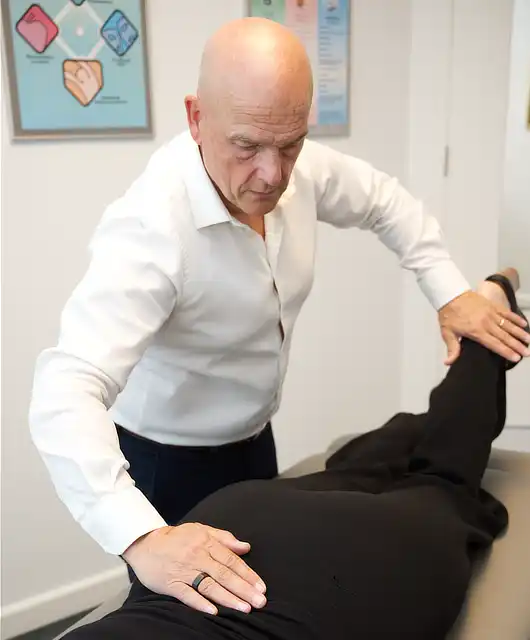
Sacro Occipital Technique (SOT)
Sacro Occipital Technique is a chiropractic system that aims to normalise the functional relationship between the sacrum and occiput through low-force adjustments, pelvic blocking, and cranial techniques.
Early Treatment
Early intervention is the key to addressing musculoskeletal issues.
It prevents the body from hard wiring compensatory patterns that lead to chronic dysfunction. By intercepting issues before they escalate, you ensure adjustments are proactive reinforcements for recovery rather than desperate damage control for a system in crisis.
-
> Initial consultation
Meet with a Peter to discuss your needs, concerns, and treatment options in a friendly, professional environment.
-
> Follow-up visit
Ongoing check-ins to monitor progress, adjust treatments, and ensure your care plan stays on the right track.
-
> Comprehensive assessment
A full evaluation including medical history, diagnostics, and expert insights to guide personalized treatment recommendations.
-
> Therapy session
One-on-one or group sessions focused on recovery, development, or support—tailored to your specific goals and needs.
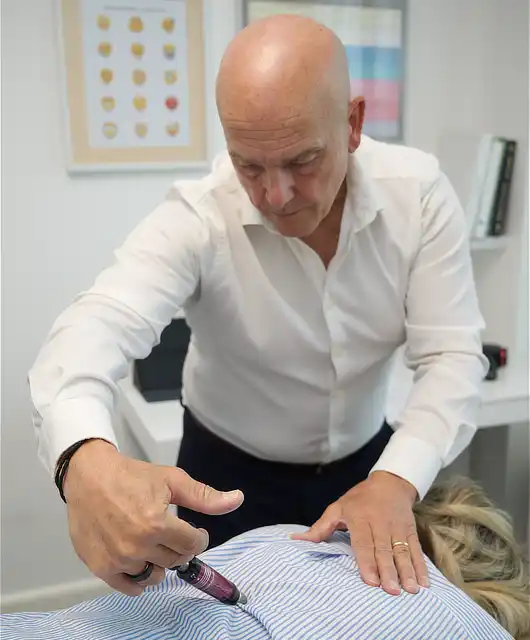
Activator Method Technique (AMT)
The Activator Method Technique is a chiropractic approach using a handheld, spring-loaded instrument to deliver precise, low-force adjustments to the spine and joints. It aims to restore motion, reduce pain, and improve nervous system function without manual thrusts, making it suitable for patients preferring a gentle, targeted treatment method.
Active Participation
Recovery is not a passive event; it is active partnership.
While clinical adjustments can intervene and re calibrate, taking personal responsibility for your own healing ensures these structural changes will actually take hold. By actively participating in your own rehabilitation you can transition from being just a recipient of care to owing your own recovery.
This approach shifts the focus from a “quick fix” mentality to a more sustainable and personal model of health. This is particularly vital in chiropractic care where the goal is long-term structural balance rather than temporary symptom relief.
-
Meet with a Peter to discuss your needs, concerns, and treatment options in a friendly, professional environment.
-
Ongoing check-ins to monitor progress, adjust treatments, and ensure your care plan stays on the right track.
-
A full evaluation including medical history, diagnostics, and expert insights to guide personalized treatment recommendations.
-
One-on-one or group sessions focused on recovery, development, or support—tailored to your specific goals and needs.
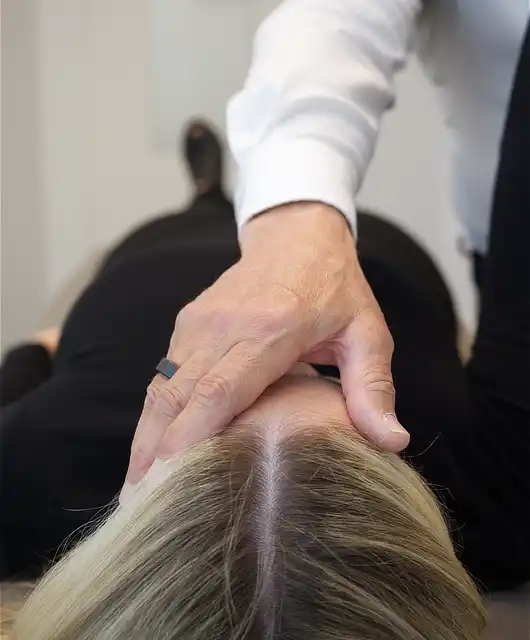
Neuro Emotional Technique (NET)
Neural Emotional Technique is a mind–body intervention within chiropractic that proposes unresolved emotional stress becomes physiologically “stored” and can be released through specific muscle testing and spinal adjustments.
Life Balance
Life balance is a key necessity for recovery, particularly in chiropractic care.
Adjustments are far more effective when the body isn’t compromised by stress, physical conditioning, sleep or dietary issues. By prioritising patterns of better mobility, rest and nutrition, you create the physiological conditions required for the musculoskeletal system to sustain structural improvements.
By addressing the “whole person” rather than just the isolated part of the body, you move away from the reductive view that the body is merely a machine with a part to be “fixed”. If the overall environment isn’t right, no amount of tinkering with one part will make the correction last.
-
Meet with a Peter to discuss your needs, concerns, and treatment options in a friendly, professional environment.
-
Ongoing check-ins to monitor progress, adjust treatments, and ensure your care plan stays on the right track.
-
A full evaluation including medical history, diagnostics, and expert insights to guide personalized treatment recommendations.
-
One-on-one or group sessions focused on recovery, development, or support—tailored to your specific goals and needs.