What is High Velocity Low Amplitude?
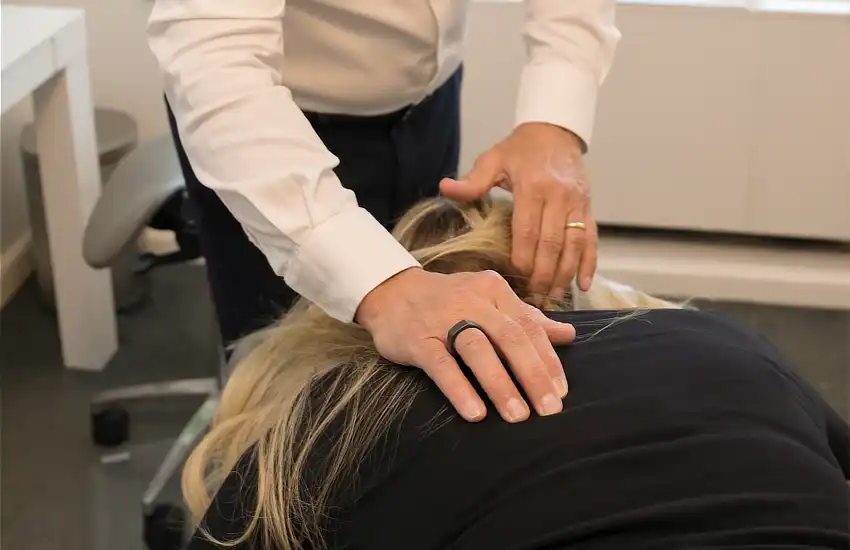

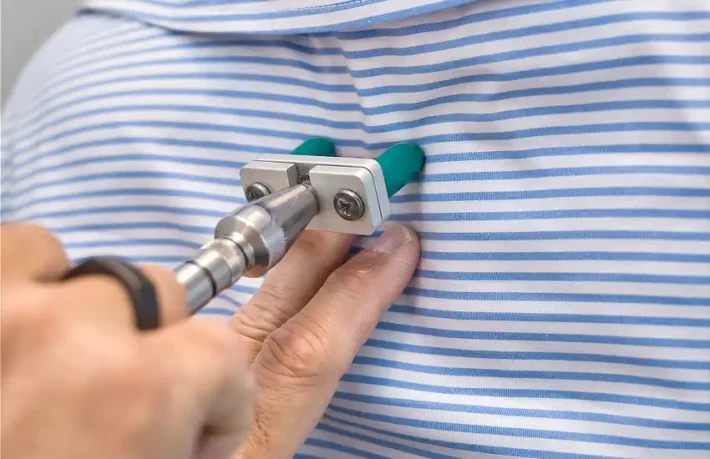
Targeted contact is a precise, low-force technique used to address specific areas of tension or imbalance within the body. Rather than applying broad pressure or general manipulation, the practitioner makes a focused contact on a particular joint, muscle, ligament, or reflex point based on detailed assessment findings. The purpose of targeted contact is to stimulate […]

Applied Kinesiology (AK) is a clinical assessment tool that uses manual muscle testing to evaluate how the body is functioning. It is based on the understanding that muscles are influenced not only by structural alignment, but also by the nervous system, emotional stress, and biochemical factors such as nutrition. During an assessment, specific muscles are […]
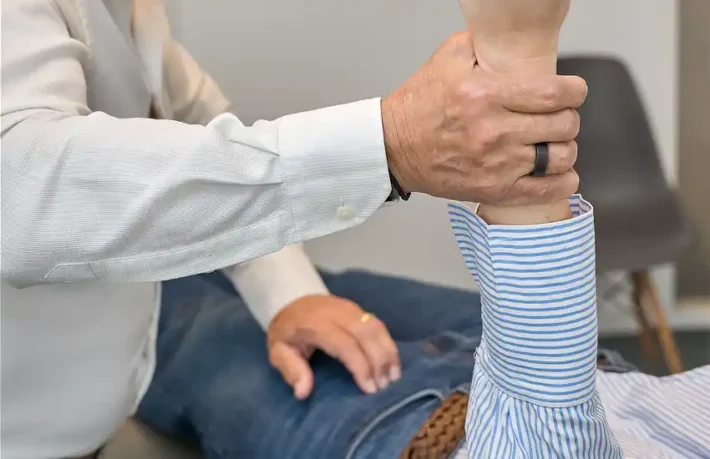
The Arm Fossa Test is a gentle assessment technique commonly used in applied kinesiology and mind–body based care. It involves light contact over the inner elbow region (the antecubital fossa) while observing changes in muscle response or body tension. This area contains important neurovascular and reflex points that can provide insight into how the nervous […]